

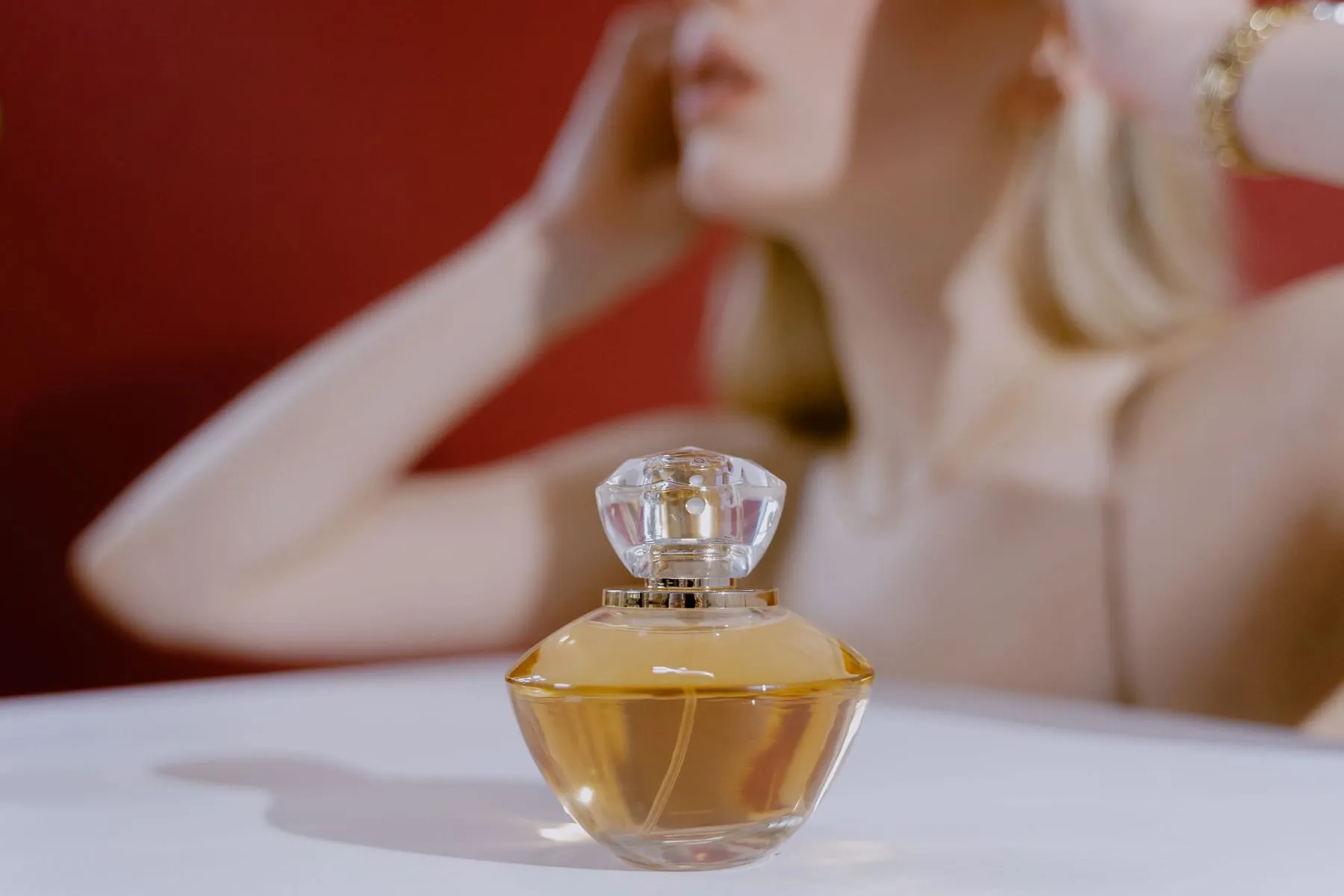
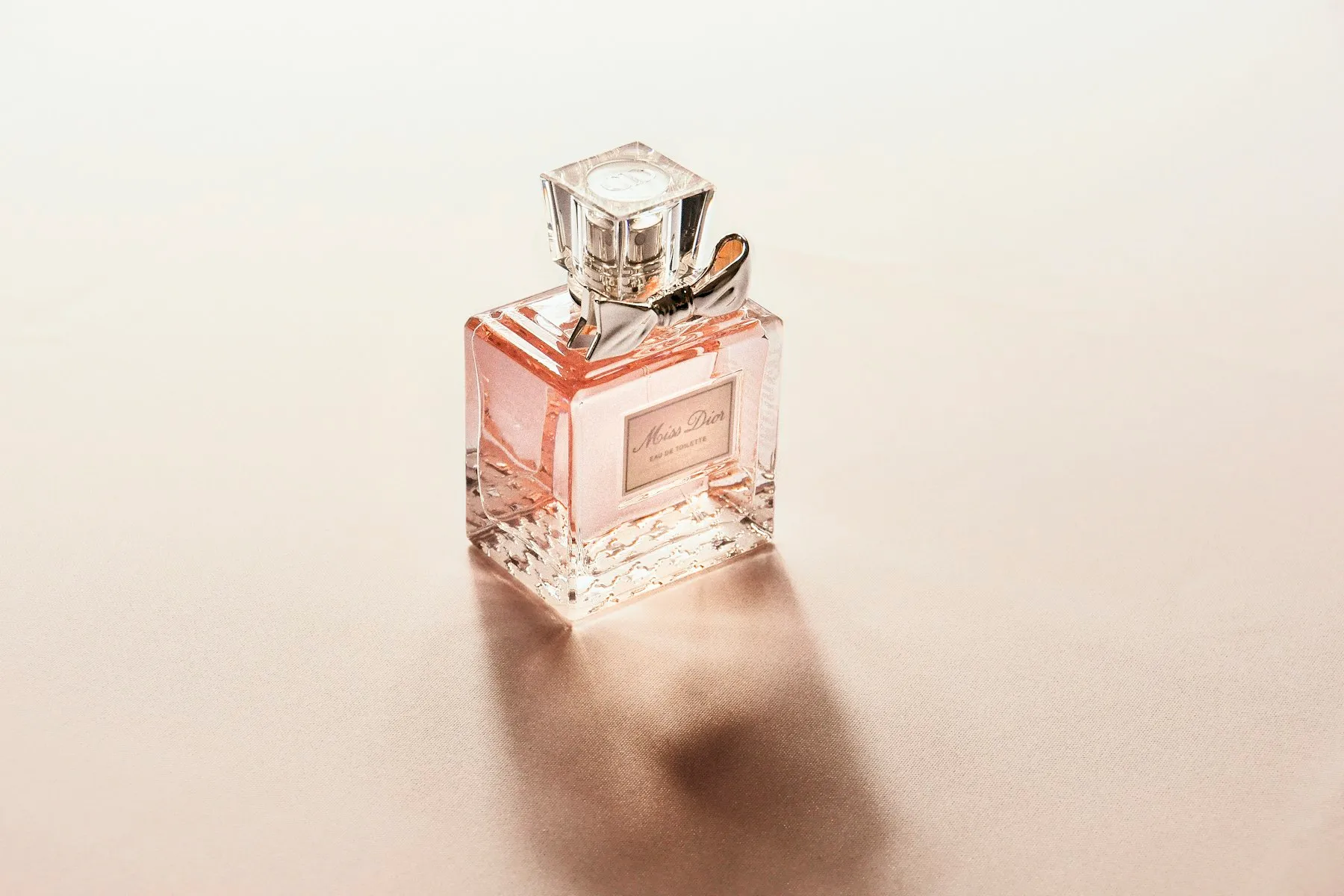
Fragrance is the only part of beauty where the shop actively works against a good decision. The lighting is irrelevant, the sales pressure is ordinary, but the sensory environment is genuinely hostile: a hundred compositions in the air, and a nose that stops discriminating after about the fourth.
The method below is not sophisticated. It is just slower than a shop wants you to be.
Three, and only three
Olfactory fatigue is real and it arrives fast. After three or four distinct fragrances, discrimination between them collapses — not gradually, but noticeably, and you will not feel it happening. What you will feel is that everything after the third one smells vaguely nice and vaguely similar, which is precisely the state in which people buy the wrong bottle.
Three per visit. If you have travelled a long way for this, three now and three after lunch somewhere else.
Skin, never card
Card tells you what the top notes are. It does not tell you what the composition becomes on a warm surface with your own sebum in the way, and that is the only version you are ever going to wear.
One fragrance per forearm, one on the back of a hand. Do not rub. Rubbing shears the top notes and warms the skin, which pushes the whole development forward by ten minutes and flattens the opening you were meant to be evaluating.
Four hours, then decide
Every composition has two turns. The first is at ten to fifteen minutes, as the volatile top burns off — this is where most disappointments happen, because the opening is the part designed to sell it. The second is somewhere around two hours, when the heart resolves into the base.
The two-hour version is what you will smell for the rest of the day, every day, for as long as you own the bottle. It should be the version you decide on.
Which means: no purchases on the day, unless it is a repurchase. Wear the samples out of the shop, go and do something else, and notice whether you keep smelling your own wrist with pleasure or with doubt.
The coffee beans do nothing
The jar on the counter has been there for thirty years and it has never worked. Smelling coffee does not reset olfactory receptors; it gives them a fourth strong stimulus to be fatigued by. The only reliable palate cleanser is your own skin — the crook of your elbow, through a sleeve — because it is the one smell your brain treats as background and can therefore use as a baseline.
Fresh air works too, and better. Two minutes outside is worth more than anything on the counter.
Seasonal honesty
A composition tested in a cold shop in November and worn in July is a different fragrance. Heat accelerates evaporation and amplifies base materials — a woody-amber that reads as comforting in winter becomes heavy and cloying at twenty-eight degrees, and a citrus that seemed thin in December is exactly right.
If you are buying in the wrong season for the fragrance, buy the smallest bottle available and find out before you commit. It is the cheapest piece of advice in this article and the one most often ignored.