


Four years ago almost nobody outside a dermatology clinic used the phrase “skin barrier”. It is now printed on body wash. The speed of that adoption should tell you something: a term that useful to marketing is rarely still doing the work it was coined to do.
What the phrase describes is the stratum corneum — the outermost fifteen or so layers of dead keratinocytes, held in a lipid matrix of ceramides, cholesterol and free fatty acids. The usual analogy is bricks and mortar, and that is where most of the confusion starts. A wall is either intact or breached. Your stratum corneum is neither. It is a gradient, shedding at the top and rebuilding from below, and it tolerates a great deal of daily insult without any of it counting as damage.
What a compromised barrier actually looks like
Not a bad skin day. Trans-epidermal water loss rises measurably when the lipid matrix is disrupted, and the visible consequences are specific: stinging on application of products you tolerated last month, a fine flaky texture that makeup catches on, tightness that has not settled twenty minutes after cleansing, and usually a low-grade redness that will not calm down.
Those four signs travel together. One of them on its own is almost always something else.
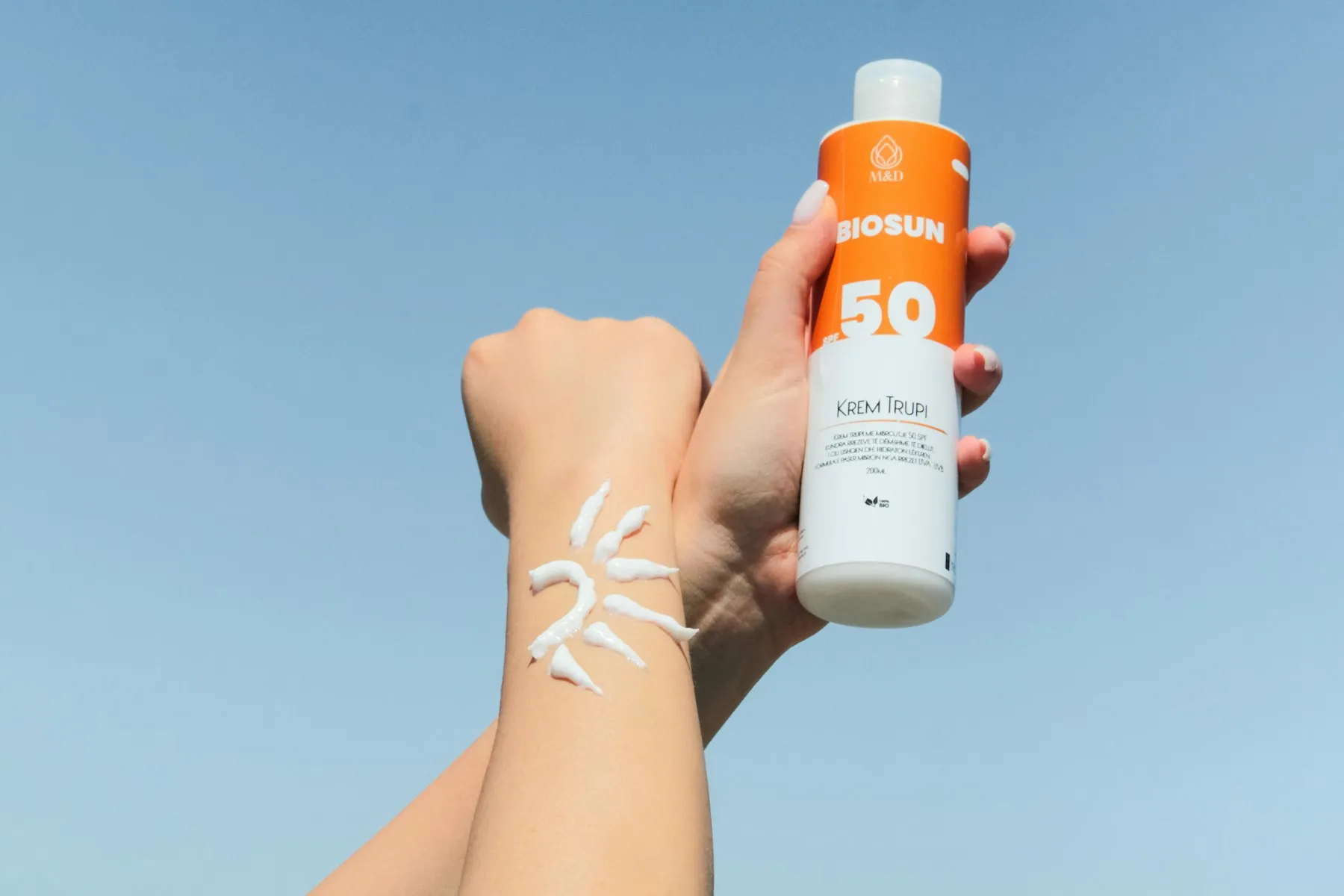
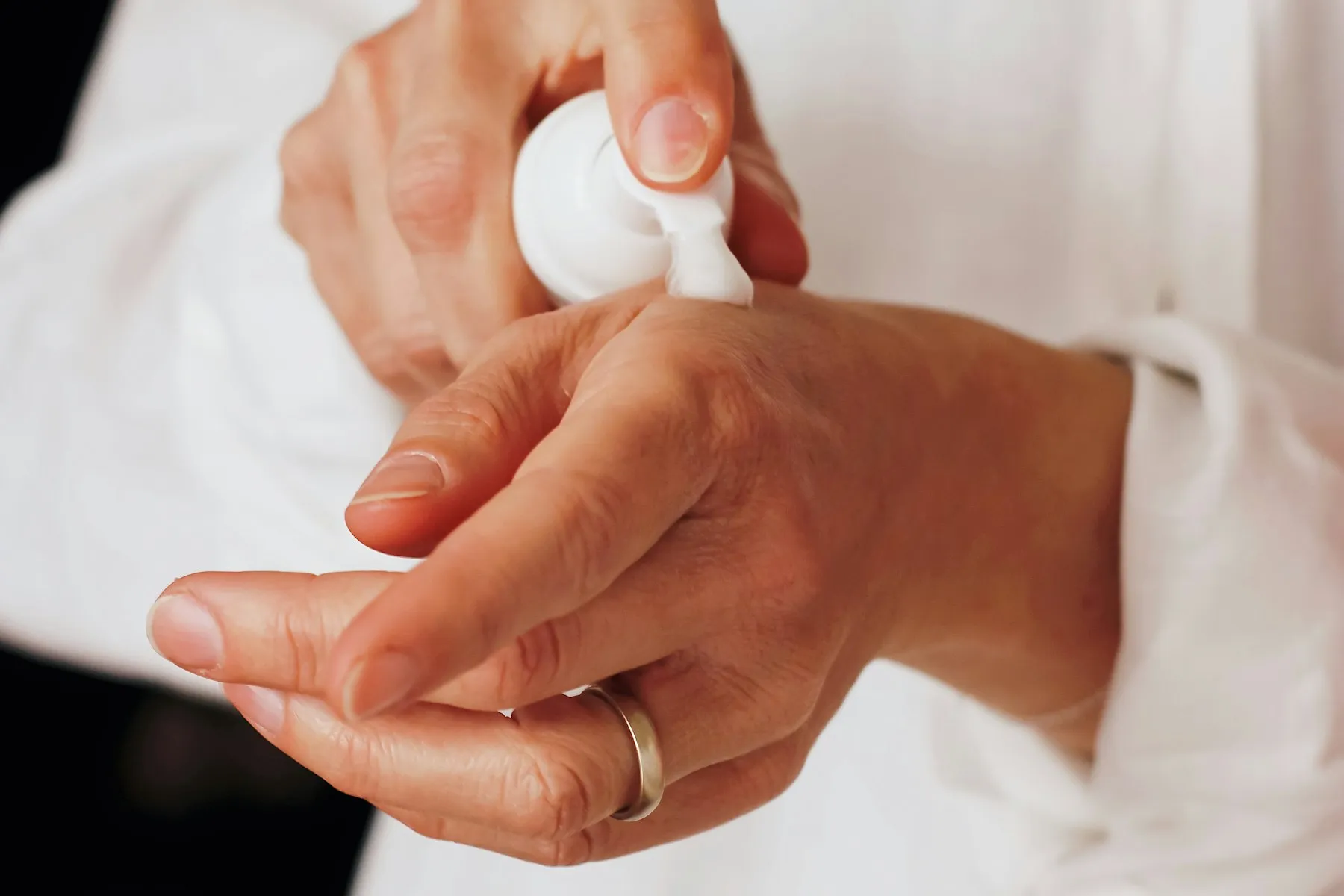
If you have all four, the useful response is subtraction. Stop the acids. Stop the retinoid. Stop anything carrying fragrance high in the ingredients list. Wash with something that barely foams, apply a plain moisturiser that combines an occlusive with a humectant, and wear sunscreen. Two weeks of that fixes most of what people spend two hundred pounds trying to fix.
The part the category gets right
Ceramide-containing moisturisers do work, and the evidence for them is better than the evidence for most things sold in the same aisle. Formulations that supply ceramides alongside cholesterol and fatty acids in roughly physiological proportions outperform ceramides alone — a finding now over thirty years old, and still ignored by half the products claiming it.
Occlusives work too, and they are cheap. Petrolatum reduces trans-epidermal water loss by upwards of 95 per cent, which nothing sold as a serum in any price bracket comes close to. That it is unglamorous is not a scientific objection.
The part it gets wrong
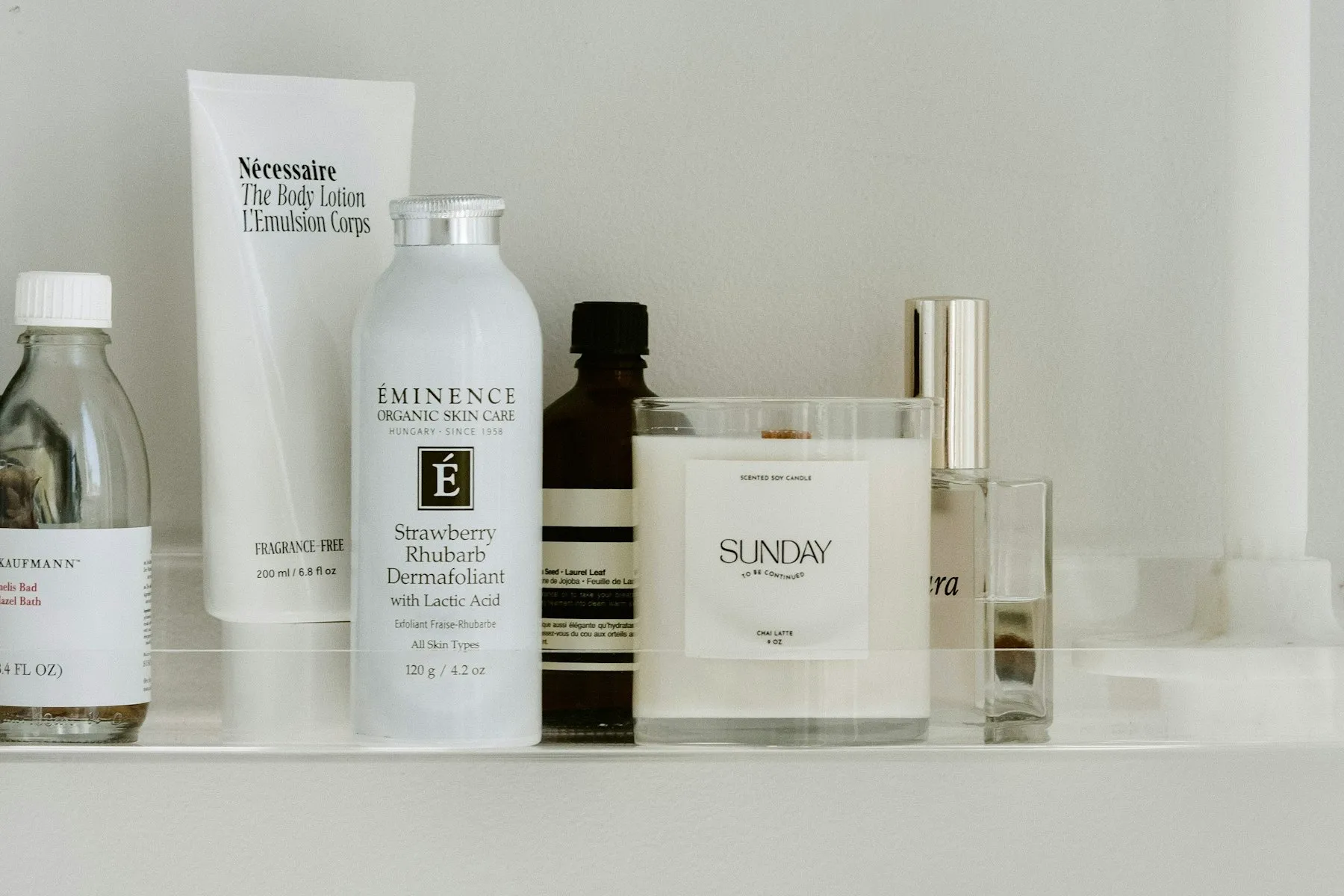
Barrier repair is now sold as maintenance rather than as treatment, and that is the sleight of hand. Skin that is not compromised does not benefit from being treated as though it is. The barrier-support routine most people are sold — a cleanser, an essence, a serum, a cream and an overnight mask, all making the same claim — introduces more variables and considerably more fragrance than the single moisturiser it replaced.
There is a circularity here worth naming out loud. A great many barriers are compromised in the first place by routines bought to protect them: too many actives, too often, layered by someone following a video rather than a face. The category manufactures a share of its own demand.
What we would actually keep
One gentle cleanser. One moisturiser with a sensible lipid blend, used consistently rather than dramatically. Sunscreen every morning. And one active, introduced slowly enough that you can still tell what it is doing.
Everything else is optional, and most of it is optional in the way a second dessert is optional. Pleasant. Not load-bearing.