



Double cleansing arrived from a tradition where it made obvious sense: a first step that dissolves what is oil-soluble, a second that lifts what is water-soluble, in a routine that assumed a full face of makeup and a mineral sunscreen. Detached from those assumptions it became a rule, and rules travel further than the reasons behind them.
So here is the reason. A surfactant cleanser emulsifies oil, but only so much of it, and only if it is given time. Silicone-heavy makeup, water-resistant sunscreen and zinc oxide are all difficult for a gentle face wash to shift in the thirty seconds people actually spend washing. An oil or balm first step dissolves those into something the second cleanser can carry away. That is the whole mechanism.
When the second step is doing work
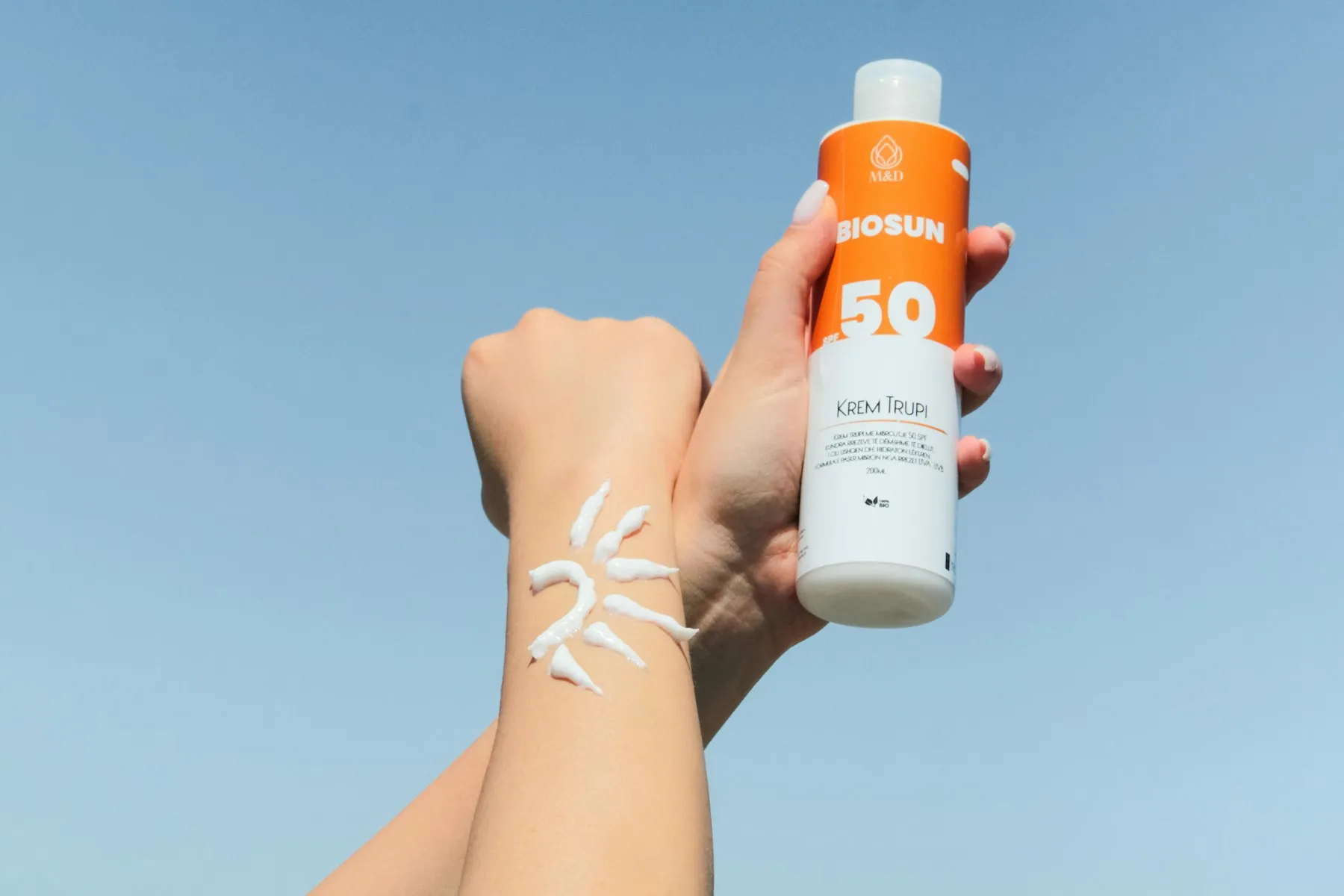
If you wear a water-resistant or mineral sunscreen, you need it. Zinc oxide is deliberately designed to sit on the surface and resist water, and it does not come off with a foaming wash — it comes off partially, which is worse, because you finish with a film you cannot see and a moisturiser going on over it.
If you wear long-wear foundation, or any product marketed as transfer-proof, you need it. Those films are built to survive an evening.
If you have oily skin and a heavy sebum day, an oil-based first step genuinely outperforms a second pass with the same gel cleanser, because like dissolves like.
When it is a wasted step
Bare skin, or bare skin plus a moisturiser and a chemical sunscreen. One well-chosen cleanser removes all of that comfortably, and the second pass is thirty extra seconds of surfactant contact with your face for no return.
This is not a neutral cost. Repeated cleansing raises skin pH and strips intercellular lipid; the more often you do it and the longer the contact, the more the barrier has to spend the night catching up. Anyone with the specific pattern of tightness-then-oiliness that gets diagnosed as “dehydrated combination skin” should try halving their cleansing before they buy anything for it.
Doing it properly if you are doing it
Both steps go onto dry skin, or the first one does. An oil or balm applied to a wet face partially emulsifies on contact and stops dissolving anything. Sixty seconds of dry massage, then wet hands, then emulsify.
Choose the second cleanser for gentleness, not for a second round of cleaning. Its job is to remove the first product, and the most common mistake is pairing a good balm with an aggressive foaming wash — at which point you have done the harsh cleanse anyway, with an extra step in front of it.
And skip the whole thing in the morning. There is nothing on your face at seven in the morning that requires two cleansers, and for most skin types there is nothing that requires one.
The uncomfortable summary
Double cleansing is a technique for removing specific things. It is not a virtue, it is not a baseline, and it is not more thorough in a way that helps if there is nothing there to remove.
Look at what is actually on your face at nine in the evening. That answers it.