

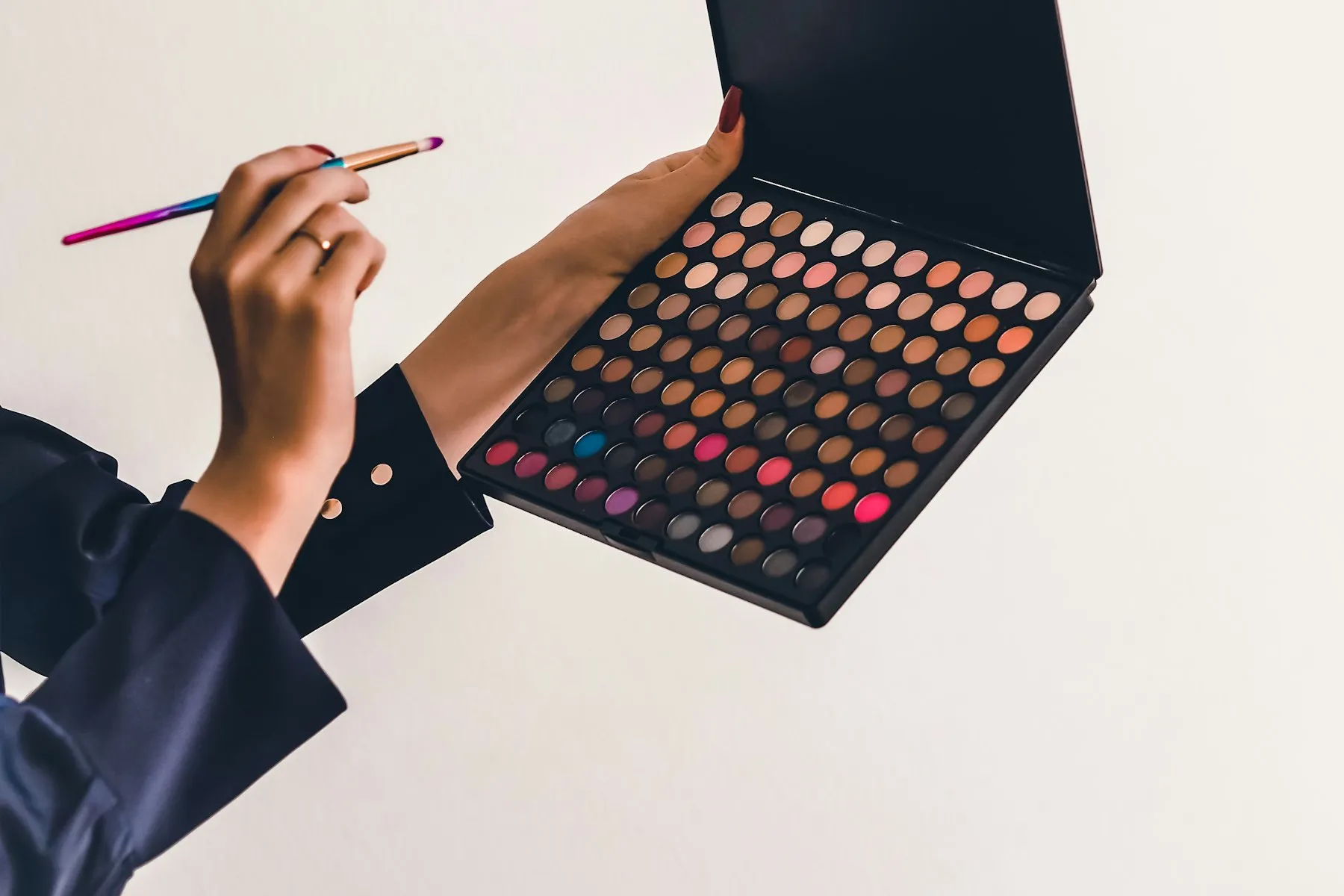
Look at any well-used palette. There will be two pans hit to the metal, one with a shallow dip, and nine that look as they did on the day it was bought. That is not a failure of imagination on the owner’s part. It is what happens when you buy twelve shades to get three.
The palette is a magnificent object and a poor product, and the reasons it persists are worth naming.
Why it exists in this form
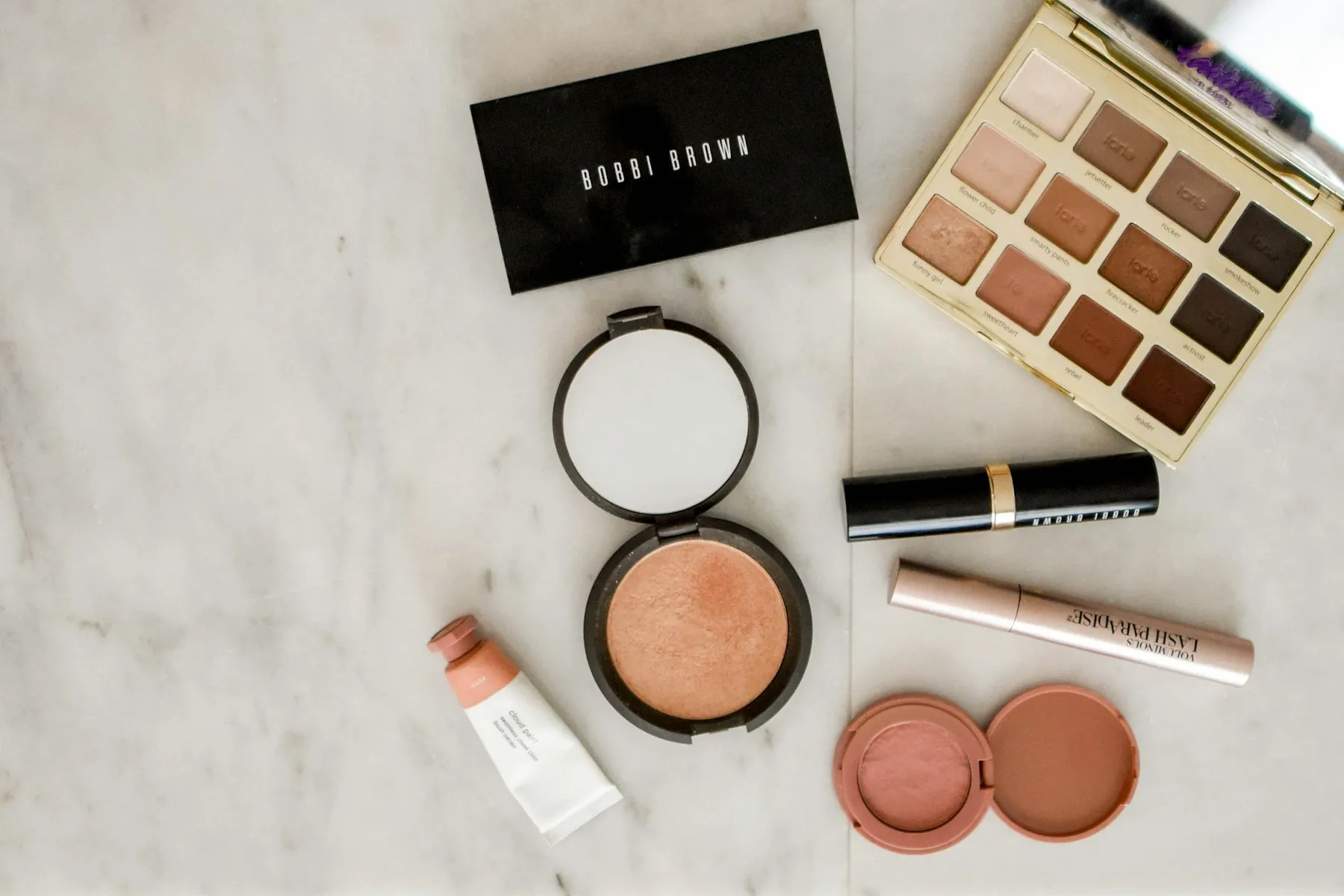
It photographs. A twelve-pan palette open on a marble surface is the single most reliable image in beauty marketing, and no arrangement of three single shadows will ever compete with it. The format is a merchandising decision that became a category.
It also solves a genuine problem, badly: a curated set removes the need to know anything about colour. The promise is that everything in here works together, and to be fair, in a good palette it does.
But that promise is delivered at a price. You are paying for twelve pans of pigment to get the three you will wear, and you are paying for the packaging, which on a large palette is a substantial proportion of the cost.
What you actually use
For most people, three finishes and three depths, which is not twelve shades.
A matte close to your skin tone, for the lid and for blending edges. A mid-tone matte, warmer or cooler than your skin depending on which way you want the eye to read, for the crease. And something with light reflection — a satin or a fine shimmer — for the centre of the lid or the inner corner.
That is a complete eye. Everything else in a palette is variation on those three roles, plus two or three shades in colours nobody wears twice.
The single-pan case
Single pans in a magnetic tin cost more per gram and less per use, and the arithmetic is not close if you actually finish products.
You buy the three you will wear. You replace the one you hit pan on without rebuying eleven you did not touch. And you learn something about colour along the way, because choosing three shades that work together is a skill and a curated palette is designed specifically to save you from acquiring it.
The counter-argument is real: singles are less convenient to travel with, and the good ones are frequently sold by brands whose empty tins do not fit each other.
If you are buying a palette anyway
Count the mattes. A palette with nine shimmers and three mattes is a palette you cannot build a full eye from, and shimmers are where brands put the money because they photograph better in pan.
Check the neutral. There should be one shade close enough to your skin that it disappears when blended, and it is the shade that determines whether the rest of the palette is usable on you. A palette whose lightest matte is two shades lighter than your skin is a palette that will always look like eyeshadow.
And check the hinge. It is an unglamorous thing to inspect and it is the component that fails first, usually with the palette three-quarters full.
The one palette worth owning
A small one. Four to six shades, all in the finishes you actually use, from a brand whose formula you already know.
The forty-pan objects are beautiful. They are also, almost without exception, bought once and used four times, and the pans that are still full when it goes in the bin are the ones you paid for.