
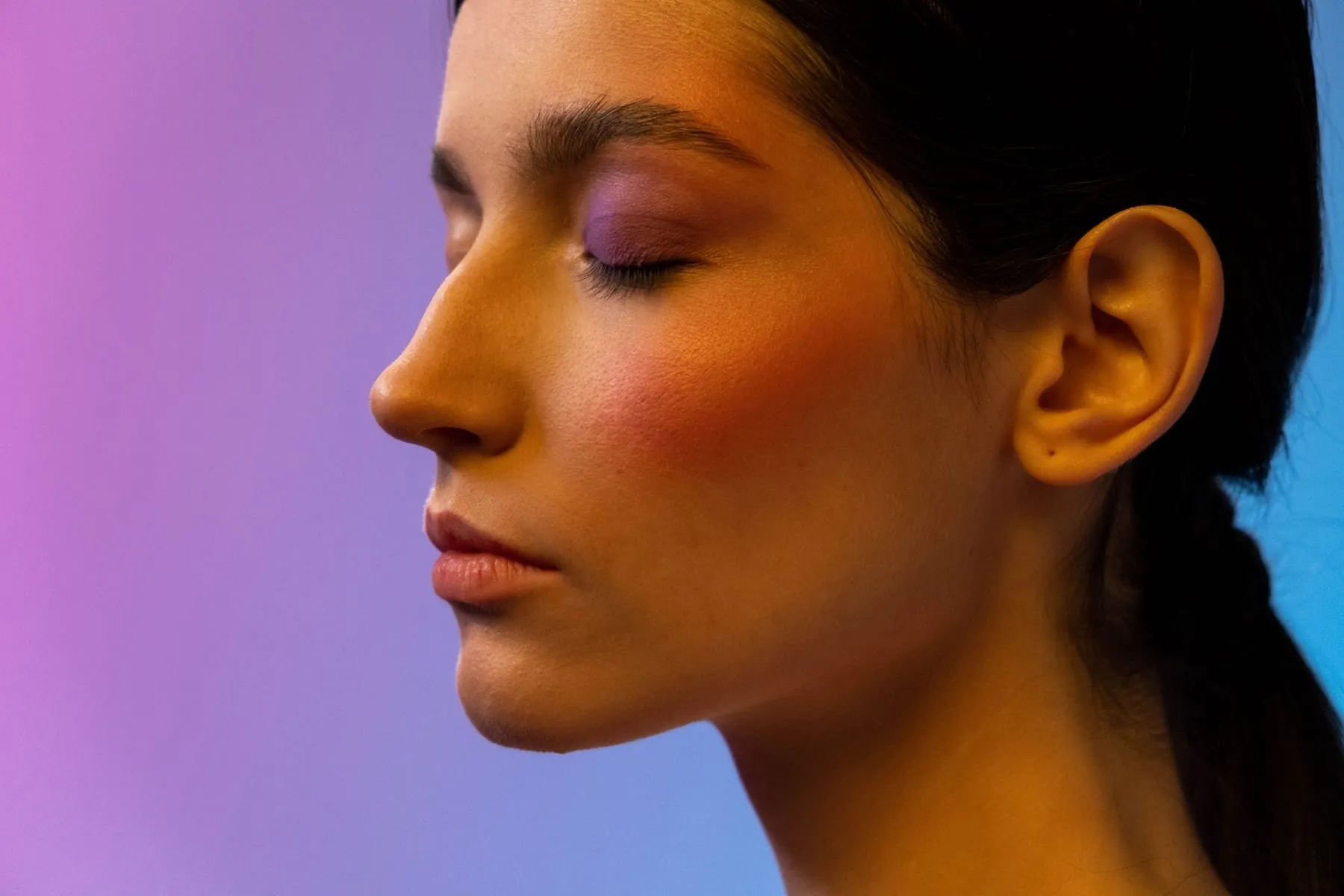



This is an n of one and it proves nothing. It is a record of what happened when I stopped treating my bedtime as the variable I could always borrow from, held everything else constant for four weeks, and photographed my face in the same place at the same time every morning.
The protocol: lights out between 22:30 and 23:00, seven days a week, including weekends. No change to skincare, no change to diet, alcohol limited to what it already was, and the same three products in the same order morning and night for the entire month. Same camera, same window, same hour, no makeup.
What changed
Recovery time on blemishes. This was the clearest effect and the one I had not expected to be able to see. In the fortnight before the experiment, three spots took eleven, nine and fourteen days to resolve. In weeks three and four, two took five and six. That is consistent with what the sleep-restriction literature says about repair, and it is the change I would keep the habit for.
Under-eye colour, partially. Less puffiness on waking, resolving faster — within twenty minutes rather than an hour. The actual pigmentation underneath did not shift at all, which was the thing I had privately been hoping for. Puffiness is fluid and responds to sleep and posture. Pigment is pigment.
Redness across the cheeks. Down, mildly, from week two, and this one is genuinely difficult to separate from the fact that I was drinking less and going to bed instead of sitting under a bright screen.
What did not change
Texture. Pore appearance. Fine lines around the eyes, which is where every article about beauty sleep points and which is the last place any four-week intervention is going to show.
Overall tone. I had expected a brightness effect and if there was one, it was smaller than the day-to-day variation between photographs, which is the honest way of saying I could not see it.
The part worth being sceptical about
I knew what I was testing, which contaminates everything. I looked at those photographs expecting improvement, and there is a large literature on how well that works. Half of what I have described as visible could be the same effect that sells eye creams.
The blemish timings are the exception, because they are counted rather than judged, and because I had the previous fortnight’s dates written down before I started. That is the one number I would defend.
What I kept
The bedtime, mostly. It survived about three weeks past the end of the experiment before work took a chunk back, which is its own finding.
What genuinely stuck was the consistency rather than the hour. Going to bed at roughly the same time every night, including at weekends, turned out to be much easier to maintain than going to bed early, and the sleep-regularity research suggests it is doing more of the work anyway.
Which is a slightly disappointing conclusion for an experiment about skin, and probably the correct one.