
I want to defend the home spa night on grounds it is never actually sold on, because the grounds it is sold on are mostly wrong and the practice is mostly good.
What the mask is doing
A clay mask absorbs surface sebum and some of it dries the skin underneath, which is why it produces a matte, tight, temporarily smoother face for a few hours. It does not draw out anything from inside a pore; nothing applied topically for ten minutes reaches the depth being described.
A sheet mask occludes. Twenty minutes under an impermeable film raises hydration in the stratum corneum substantially, and the effect is genuine and lasts several hours. It is essentially the same effect as applying a decent moisturiser and putting cling film over it, which is not a criticism, because that works.
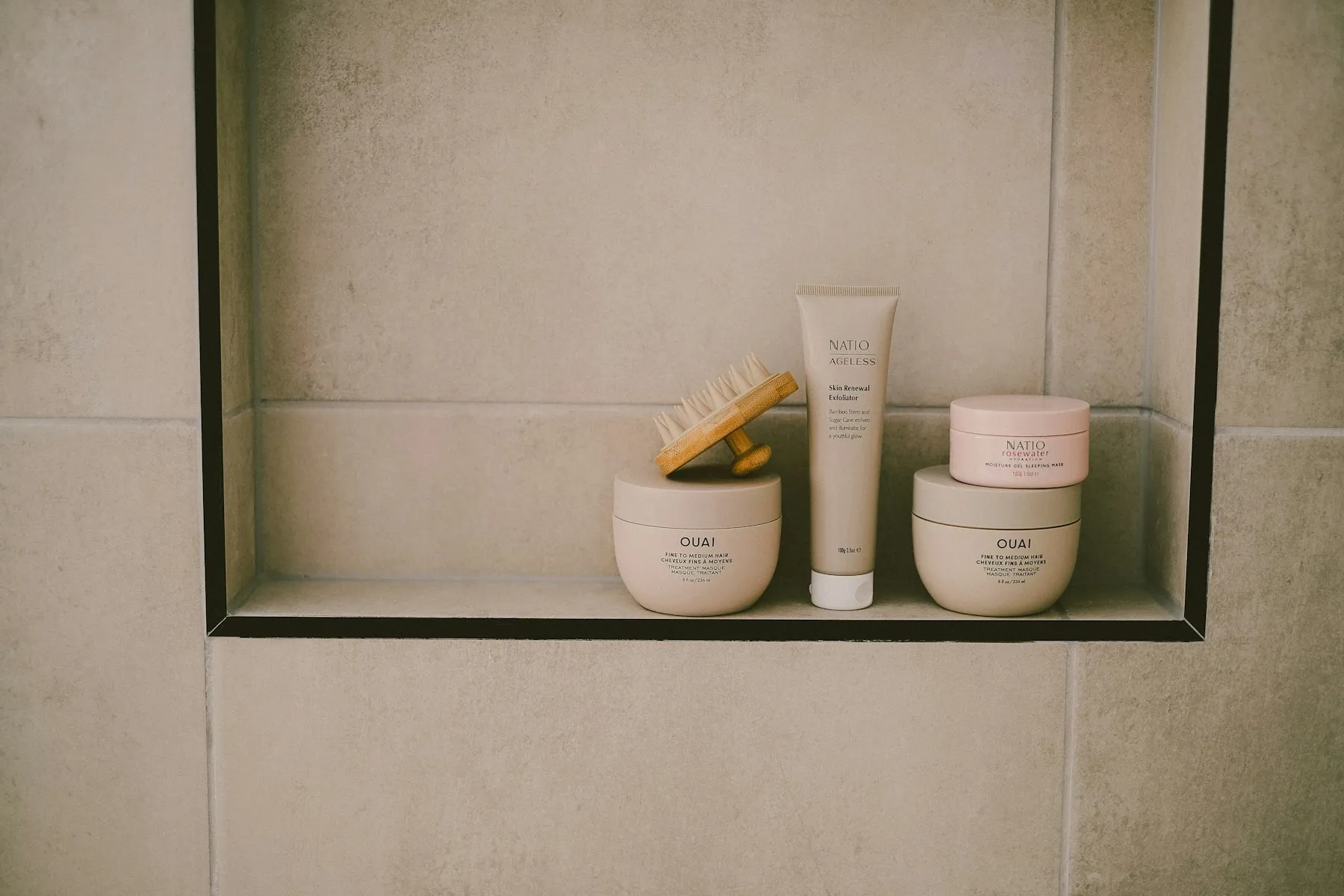
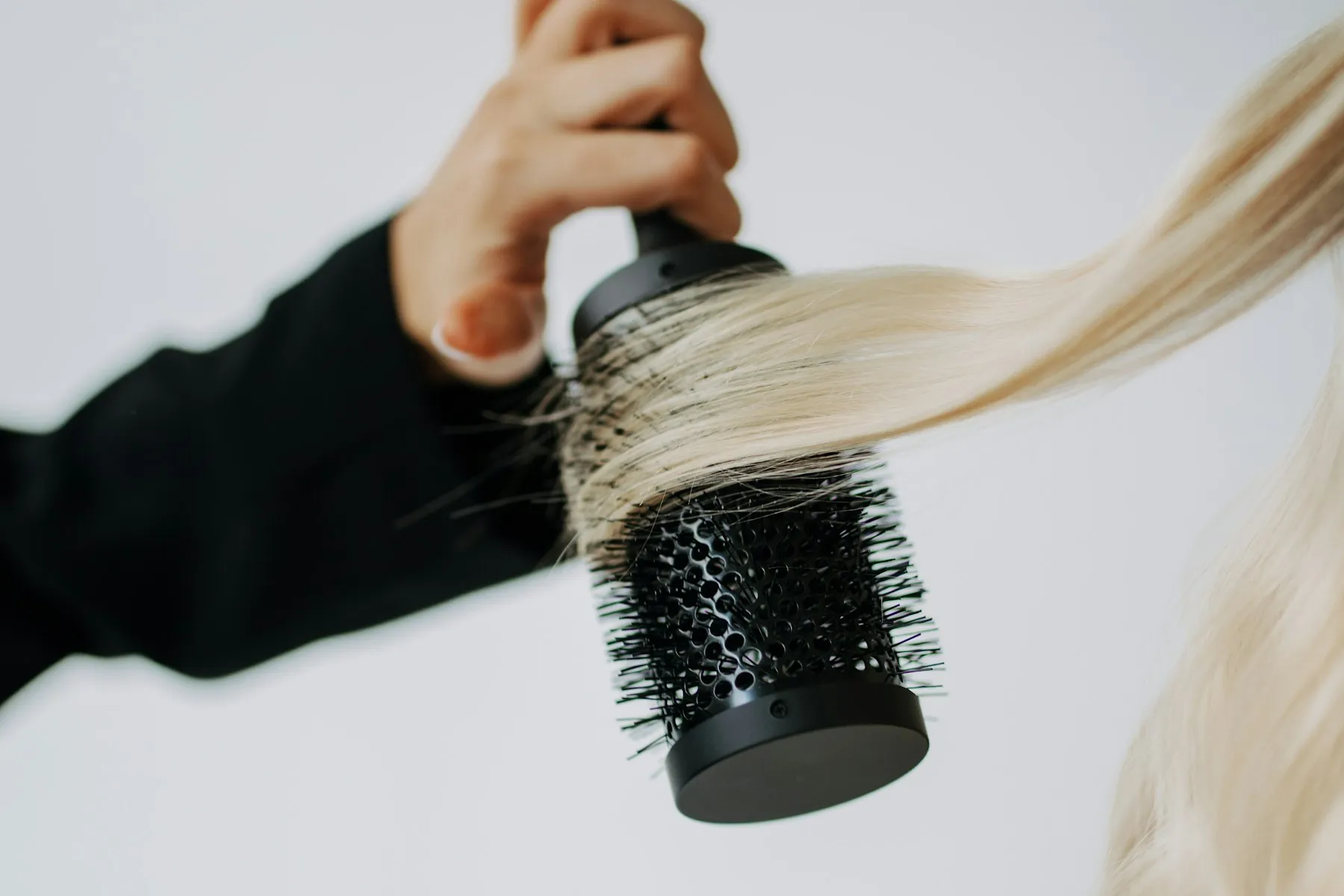
A hair mask deposits conditioning agents that make the cuticle lie flatter. The heat and the twenty minutes make a small difference; most of the benefit would have arrived from a normal conditioner left on for three.
So: real, modest, temporary effects. Nothing that changes the trajectory of anything.
What the evening is doing
Here is the part with the better evidence.
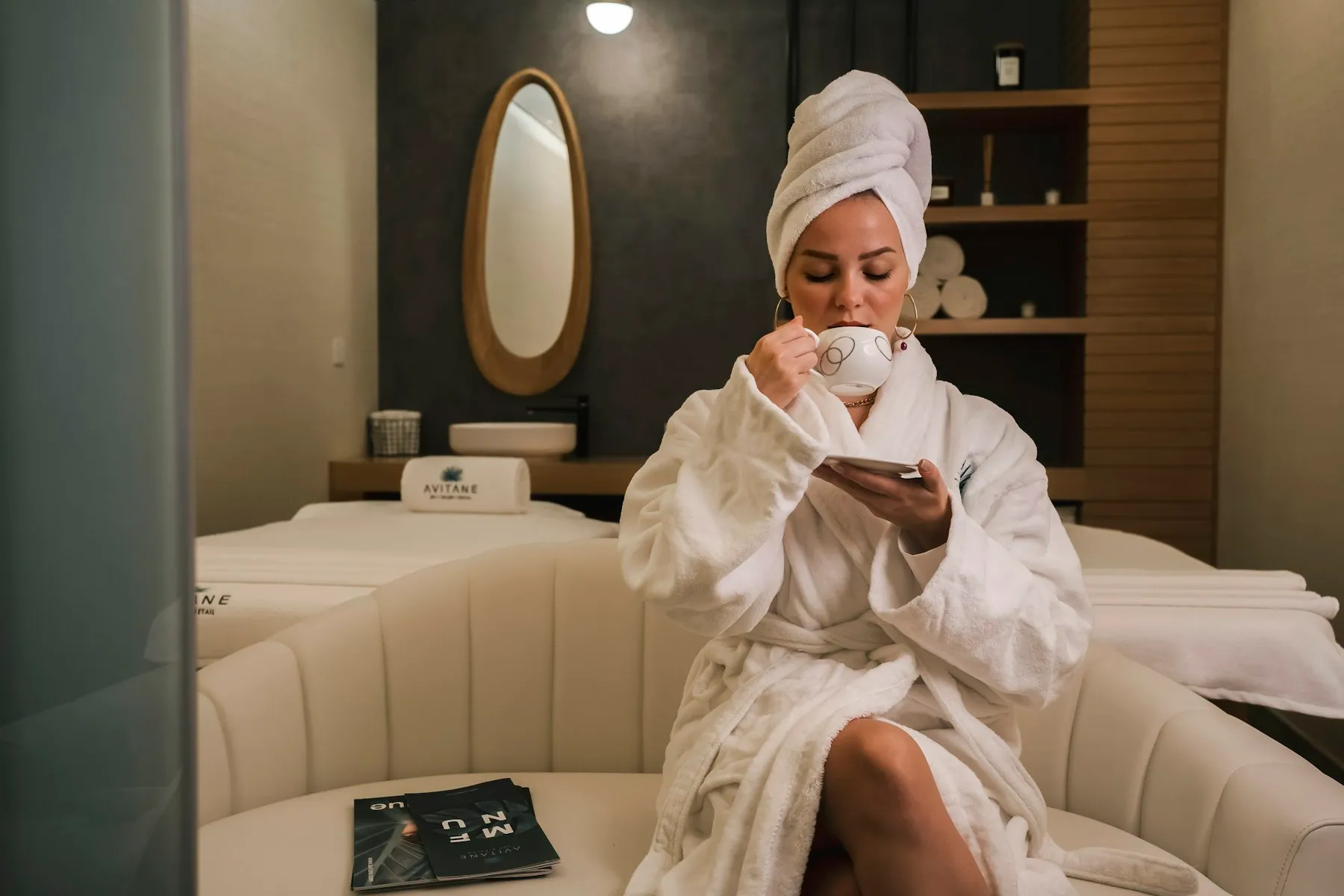
Ninety minutes of low-stimulation time with no screen, warm water, and a task that requires attention but no decisions is a reasonably good description of what stress-reduction protocols look like in the literature. Warm bathing in the evening lowers core temperature on exit, which is a well-replicated route into faster sleep onset. Sleep, as we have written elsewhere, is the intervention with the best evidence in this entire magazine.
The touch component is not nothing either. Slow, moderate-pressure self-massage — which is what applying and removing a mask actually involves — has consistent effects on subjective stress in small trials. It is a modest literature and the effect sizes are not dramatic, but they are more robust than “draws out impurities”.
Why the honest version sells worse
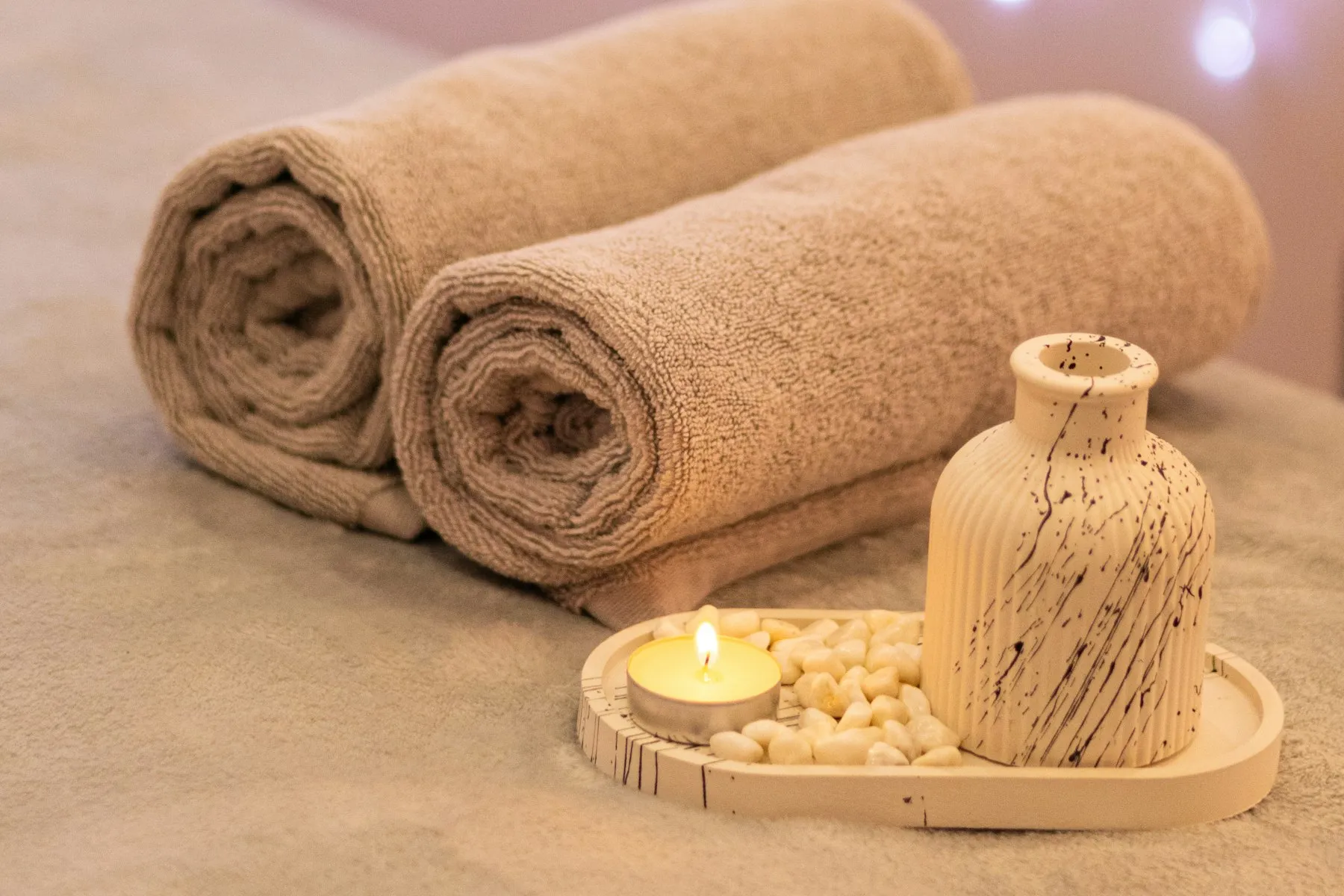
Because the honest version is: buy nothing, run a bath, and spend an hour and a half away from your phone. There is no product in it. The mask is a scheduling device — a thing that makes you sit still for twenty minutes because you cannot go anywhere with clay on your face.
That is a real function, and it is worth eight pounds. It is simply not a skincare function.
How to get the most out of it
Do the parts that have effects. Bath or shower warm rather than hot, and finish at least an hour before bed so the temperature drop lands at the right time. Put on the mask that has the texture you enjoy, not the one with the longest ingredient list.
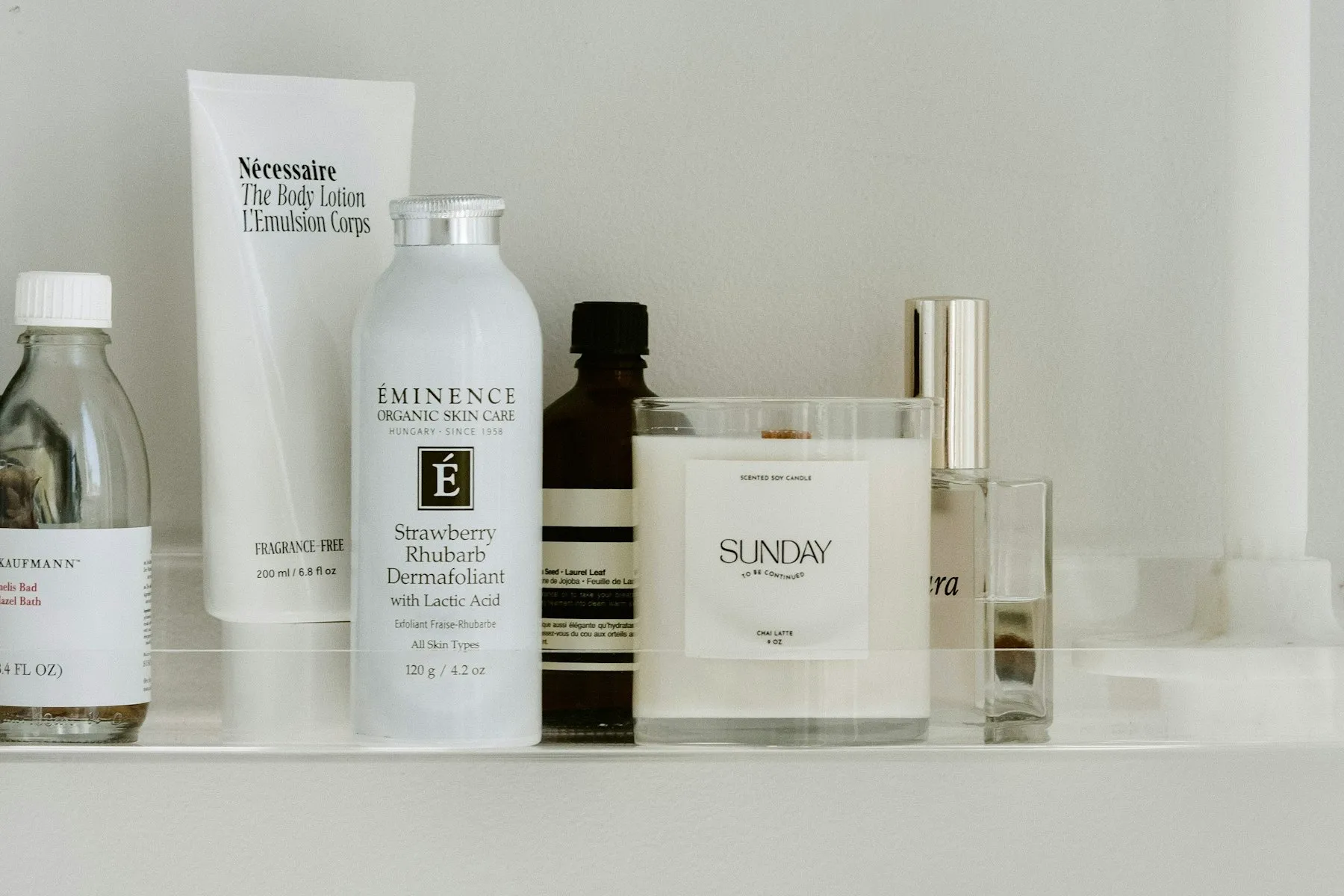
Moisturise while the skin is still damp, which is the one step of the evening that does more than the mask did.
And do not schedule anything after it. The most common failure mode is a beautifully executed spa hour followed by forty minutes of email in bed, which undoes the only part of the evening that was going to change anything by morning.